

Traveling to Europe is always a thrill. I’ve had the pleasure of exploring quite a few different countries now, my favorites being Italy, France, Greece, and the Netherlands. Each destination has left me with lasting memories! Europe, with its rich history, diverse cultures, and varied climates, offers an incredible travel experience. Each city is a unique gem, offering a different style of that famous European charm.
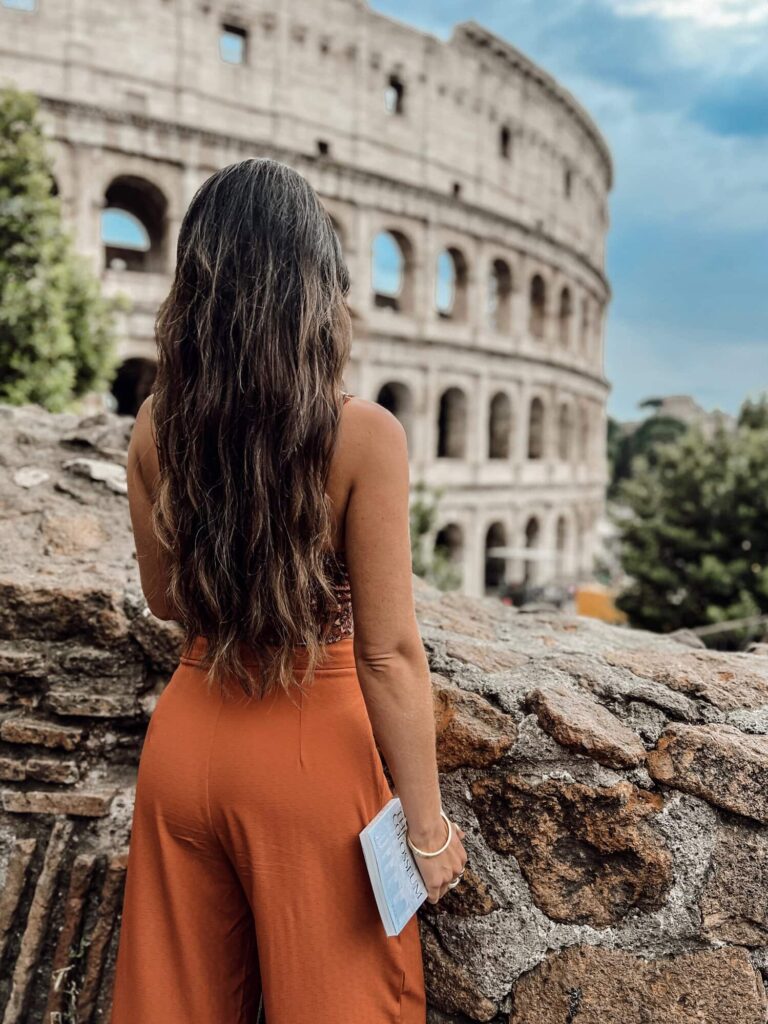
One of the best parts about traveling throughout Europe is how each city has its own personality. Paris is all about chic elegance and world-renowned cuisine. Meanwhile, Amsterdam offers a relaxed, artsy vibe with its picturesque canals and museums. Italy, with its stunning historical landmarks and delicious food, is like stepping into a living museum.
With so many incredible destinations to choose from, knowing what to pack for a trip to Europe can be overwhelming. That’s why I’m sharing my packing list of travel essentials to help make your trip to Europe enjoyable and stress-free. After taking multiple trips to Europe, I’m confident I have my packing list locked in! In this post, you’ll find a complete list of items to bring and what you can leave behind. Plus, I’m sharing what to pack by season, along with some tips for packing light.
The blog post may contain affiliate links. If you make a purchase through one I may make a small commission at absolutely no additional cost to you. I appreciate your support!
What To Pack For A Trip To Europe


When preparing for a European trip, there are a few key considerations that can make your journey smoother and more comfortable. First and foremost, think about the weather and the activities you’ll be doing. The weather in northern Europe, such as Germany and the Netherlands, is going to be quite different from that in southern countries like Italy and Greece. So, packing layers is crucial!
Start with versatile clothing that can be mixed and matched easily—think neutral basics that can be dressed up or down. Remember that layering is your friend, so pack lightweight items that can be combined to suit varying temperatures throughout the day. If you are out and about all day there is a good chance it will be cooler in the morning and much warmer by the afternoon.
When packing for Europe, don’t forget to include a good-quality, comfortable pair of walking shoes since most European cities are often best explored on foot! I made the mistake of not packing any true “walking shoes” on my first visit and was in for a rude awakening by day two! A compact, stylish daypack or crossbody bag will keep your essentials close and your hands-free for snapping photos or grabbing a gelato.
Related: How to Plan a Trip to Europe: 9 Super Helpful Tips
Packing List for Europe
Here’s your ultimate packing guide of travel essentials to ensure you’re well-prepared for your trip to Europe!


Documents and Travel Essentials
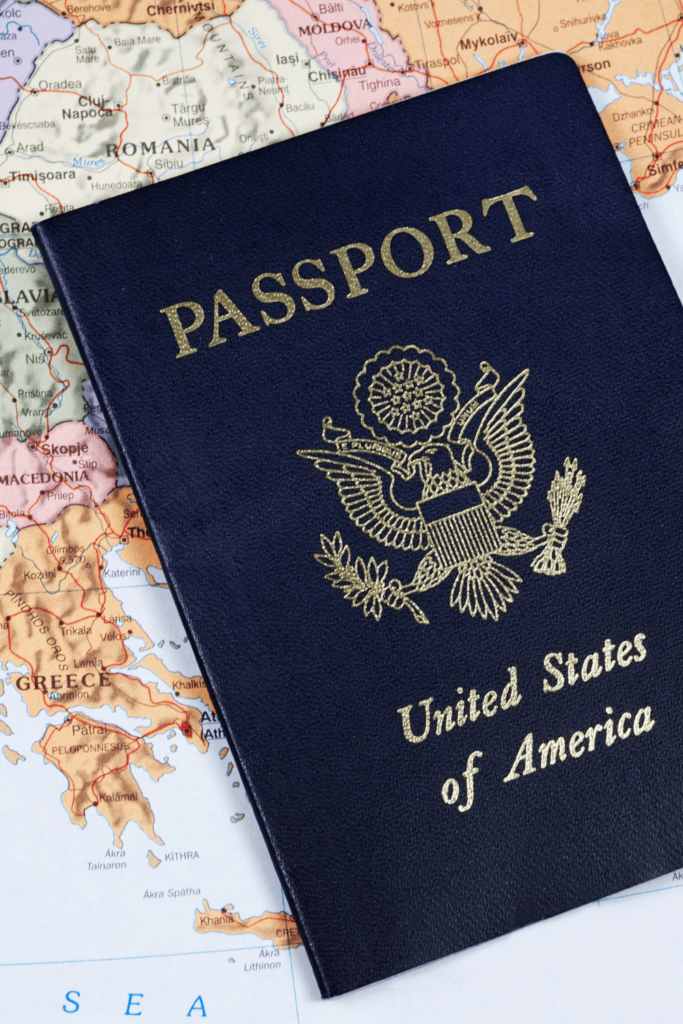
- Passport: Ensure your passport is valid for at least six months beyond your planned departure date. Check if you need a visa for the countries you’re visiting and keep copies of important documents.
- Passport Holder or Case: Keep your passport protected with a passport case.
- Tickets and itineraries: Print or have digital copies available of your flight tickets, hotel reservations, and any activity bookings.
- Travel documents organizer: Great to stay organized while you are on the go during long travel days with a travel documents organizer. These can hold multiple passports, documents, and even credit cards, which is great for a family traveling.
- List of emergency contacts: Have a list of emergency contacts ready, including local embassies and consulates in case of emergency.
- Travel insurance: Essential for covering medical emergencies, trip cancellations, and lost belongings. We almost always get travel insurance for any major trips for peace of mind.
Travel Comfort
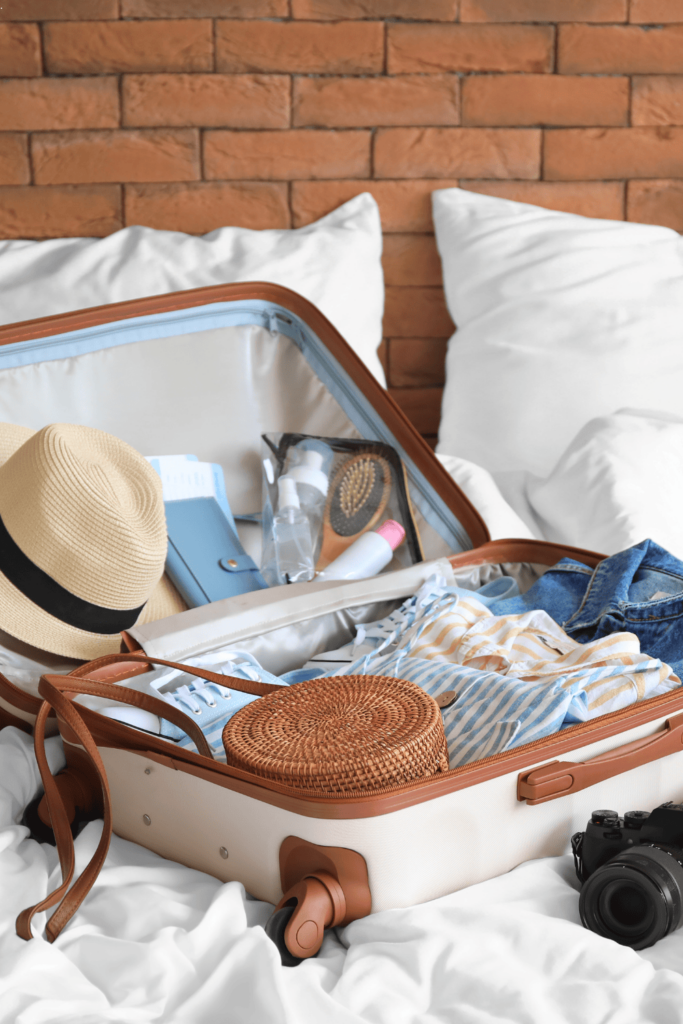
- Quality luggage: Make sure your luggage is easy to navigate with and that you are capable of rolling or carrying it. I personally have not managed to ever do carry-on only to Europe (props to those who can!) so I typically always have a checked bag on trips that are longer than 5 days. I love my hard shell suitcases with spinner wheels for these trips, and they are lightweight I am able to lift them on and off trains easily, etc.
- Neck pillow: For long flights or train journeys, a neck pillow (this one is my personal favorite!) and eye mask can help you rest more comfortably! Depending on where you are traveling from, some flights to Europe are overnight and can be 9+ hours. I never forget to pack a sturdy neck pillow.
- Noise-canceling headphones: Noise-canceling headphones are great for travel on the plane.
- Books or e-reader: I love to read, and an 8 hour flight to Europe is truly the perfect place to do so! I recommend a Kindle (I personally love the Paperwhite one and take it on every trip) if you have one to save space while having multiple books available.
- TSA luggage locks: We always use these TSA-approved locks to keep our luggage secure, and they are super easy to use! These locks can be opened by TSA with a master key for security inspections without damaging the lock.
- AirTags: Attach Apple AirTags or similar tracking devices to your luggage to easily locate your bags if they go missing. I like placing these inside and ziplock bag in the inner-linings of checked luggage, and in an inner-pocket of all backpacks or carry ons. It’s also a good way to check if you bag made it with you on the plane or to your destination. You can easily check the location of these on your iPhone.

Money
- Credit/debit cards: If needed, inform your bank of your travel plans to avoid issues with card usage abroad. Carry a couple of cards including your credit card and debit card in case one gets lost or blocked.
- Cash: While cards are widely accepted, it’s wise to carry some local currency for small purchases and places that don’t accept cards. You can usually place a request for a currency exchange at your bank for a lower fee than what you will pay when you arrive.
- Money belt: You can keep your money and important documents secure with a money belt or hidden pouch. This is especially helpful when you’re in crowded train stations or popular tourist sites where pickpocketing can be more common.
Clothes to Pack for Europe
- Location specific outfits: Take a look at your itinerary and pack based on what activities you are doing. I like to make a visual chart and plan outfits out that way to avoid overpacking. For example, if you are headed to the Vatican during a trip to Rome, make sure you have something to wear that covers your knees and shoulders. If you are going to do a boat tour of head to the beach make sure you pack a swimsuit, flip flops, or water shoes (these ones saved me in Positano!) for pebble beaches.
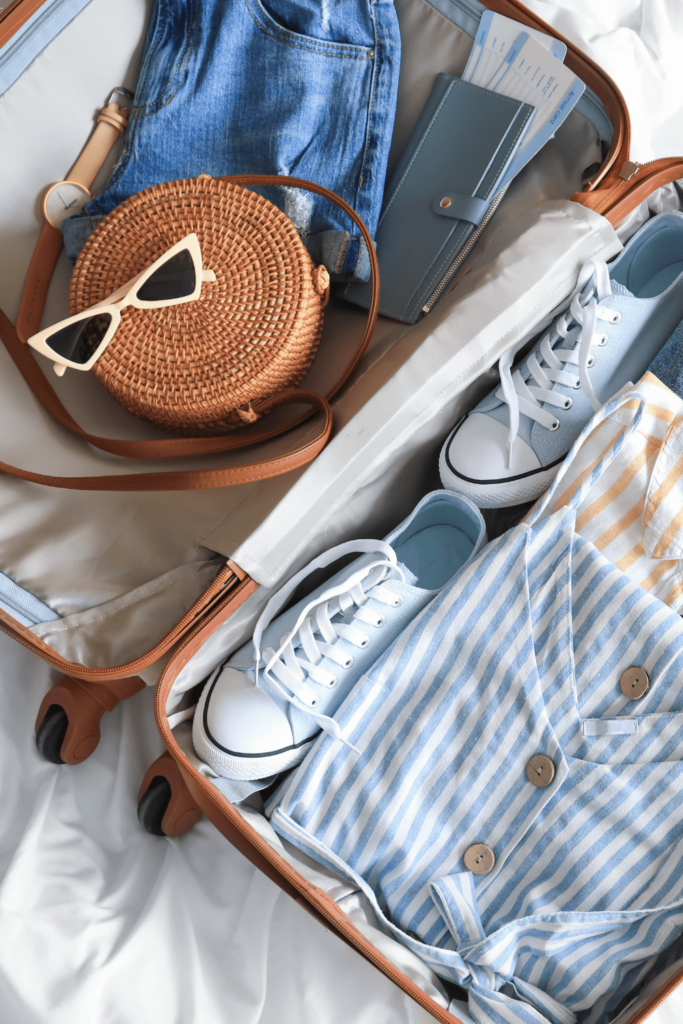
- Versatile clothing: Opt for lightweight, breathable clothing that can be layered or used to mix and match. Pack a mix of items with base layers that can be dressed up or down by switching out jackets, coats, shoes and accessories. Don’t forget a comfy airport outfit for long travel days.
- Comfortable walking shoes: European travel calls for a lot of walking, so bring comfortable walking shoes along with a pair of dressier shoes for nicer occasions. I didn’t pack any true walking shoes during my first trip to Italy and definitely regretted it by the second day. I totally understand if sneakers aren’t your thing (they weren’t mine at the time either!) so I recommend throwing a pair of dressier shoes in your bag if you prefer to switch them out for any photo ops, dining out, etc. I’ve done this many times with sandals while I walk around Italy, and it works like a charm!
- Weather-appropriate attire: Check the weather forecast for your destinations. Pack a rain jacket or travel umbrella if rain is expected. We did end up forgetting to pack one when we went to Italy once, and ended up spending $20 on one from someone selling them in the Roman Forum. For colder months and climates, bring a warm coat, scarves, and gloves.
Accessories
- Sunglasses and hat: Protect yourself from the sun, especially if you’re visiting during the warmer months with sunglasses and a sunhat.
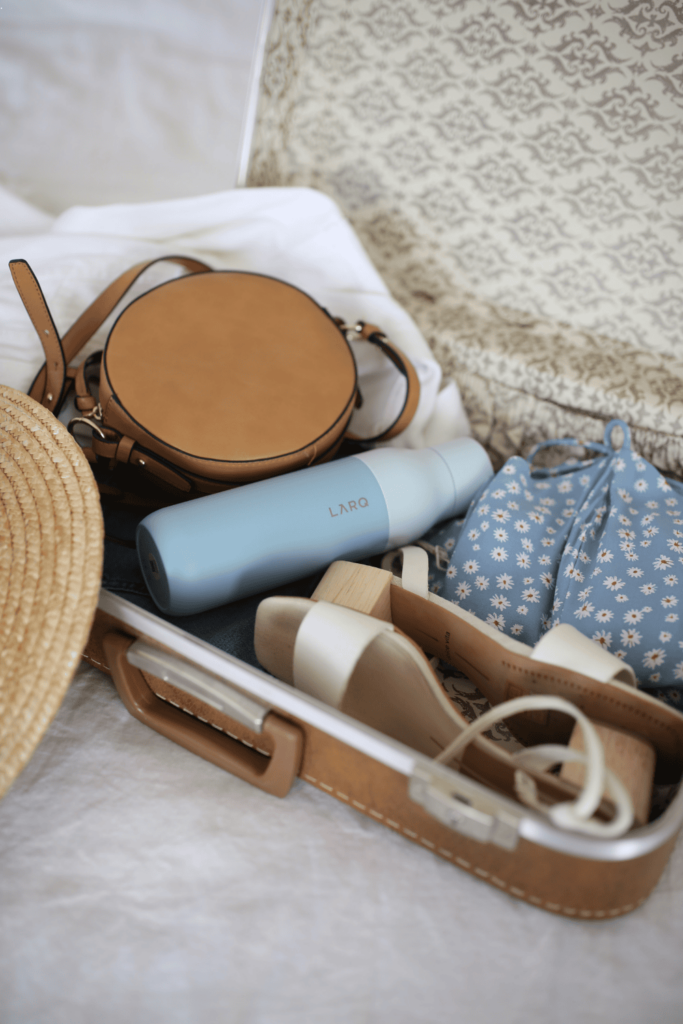
- Reusable water bottles: Water isn’t as accessible (or free) over in Europe, so I always try to stay hydrated by carrying my favorite reusable water bottle.
- Crossbody bag or purse: There crossbody bags (this one is one of my favorite inexpensive options) are great to remain hands free and keep your important belongings secure. Both men and women wear these all over Europe. Avoid keeping important items in your back pockets in crowded high tourist areas.
- Waterproof phone case: A waterproof phone case is also great to have if you are going to spend a lot of time around water. I always use one when we go to the beach so I can take photos out in the water.
Related: Check out my Italy Travel Tips blog post here.
Technology and Electronics
- Phone and chargers: Your phone will be crucial for navigation, communication, and capturing memories. Don’t forget a charger and any necessary cables and the outlet adapters needed abroad (these are ESSENTIAL because the outlets are different in Europe!)
- Portable charger: Keep your devices charged on the go with a portable power bank. Whenever I am traveling I need to use one of these mid-day due to draining my battery taking so many photos and videos.
- Phone wrist strap: I always have one of these attached to my phone for easily switching between my phone and camera. Make sure you are using a phone case that has the slots for these.
- Universal travel adapter: Europe uses different plug types and voltages than the USA. A universal travel adapter is absolutely needed for charging your electronics. Ensure your adapter is compatible with the Type C, Type E, and Type F plugs commonly used in central Europe. You should also do some research to confirm what type you need based on which destination you are visiting, but the one linked above in combination with this one here have worked for us everywhere so far.
Cameras and Photography Equipment
- Camera: If you’re passionate about capturing these precious travel memories like I am, bring a camera! Smartphones are great, but a dedicated camera can offer superior quality. I have linked some of my favorite ones below, including my DSLR, digital camera (great for travel!) and others.
- Drone: I personally love capturing photos and videos from an aerial view with my drone. If you have experience flying a drone and the correct certifications needed this is a must pack. Don’t forget to check local drone regulations depending on where you are traveling, and always avoid crowded places.
- Phone gimbal: I personally love making travel videos on my phone, so this phone stabilizer a super handy thing to have if you want stabilized footage.
- Camera accessories: Don’t forget those extra SD cards, batteries, a camera strap, backpack camera clip, tripod, additional lenses, polarizer, and a camera bag.
Navigation
- Guidebook or map: While phone apps are handy, having a physical guidebook or map can be useful for quick reference and or in an emergency when technology fails.
- Local sim card or international plan: Consider a local SIM card or an international plan to stay connected without insane roaming charges. For example, with my current phone plan I am able to use data/calling/texting for only an additional $12 a day than I use the service abroad. Check with your carrier for options ahead of time.
Medication and Toiletries
- Medications: Bring any prescription medication in its original packaging and placed in your carry-on with you. It also doesn’t hurt to carry a basic first-aid kit.
- Basic toiletries: Don’t forget to pack travel-sized toiletries such as shampoo, conditioner, body wash, sunscreen, lotions, and travel sized toothpaste. You can organize all of these items in a toiletry bag like this one.
Extras
- Large tote bag or reusable shopping bag: Great bag to have if you plan to pick up groceries while staying in one area, or plan to do a lot of shopping.
- Laundry kit: A small laundry kit with detergent and a portable clothesline can be useful for washing clothes in a pinch! Especially if you trying to pack light for a few weeks in europe and intend to rewear some items.
How To Pack For Europe
Roll your clothes, don’t fold them.
I have been rolling my clothes for years and am able to fit so much more! This also reduces the chance or wrinkles.
Use packing cubes.
Packing cubes are always a good idea and help keep your luggage organized, compact, and easier to find items. I even use these ones for short weekend trips too.
Leave room for souvenirs.
Don’t forget that you may do some shopping while abroad! You shouldn’t be packed to the brim on the way there, so make sure you’ve left enough space that you can fit some small to mid-size souvenirs depending on what you intend to buy.
How Much to Pack for Europe
The best piece of advice I can give you when packing for Europe is to pack light. I know how tempting it is to bring your entire wardrobe for those “just in case” moments, but rolling a 50-pound suitcase through cobblestone alleys, or lugging it up steep steps, won’t be fun. Really, you just need your travel essentials: interchangeable outfits, toiletries, tech chargers, and an outlet adapter. The rest you can buy there if you need!
Packing light can be a challenge, I know. That’s why I recommend planning your outfits ahead of time or packing a travel capsule wardrobe. You’ll be impressed at how little you actually need! Not sure how to manage your next trip without a checked bag? Read my post How to Pack for a Week in a Carry-On.
What to Pack for Europe by Season
Just like in the U.S., the seasons change quite drastically in Europe. That’s why packing for the weather is essential. A week or so before my trip, I’m always checking the weather app so I can plan my outfits around it.
But here’s a quick rundown of what you should pack for Europe by season:
Winter
- Warm insulated coat
- Thermal base layers
- Thick sweaters
- Hat, scarf, and gloves
- Warm pants or fleece-lined leggings
- Waterproof shoes with good grip
Spring
- Lightweight layers like t-shirts, long-sleeve tops, and sweaters
- Light waterproof jacket or trench coat
- Jeans or comfortable trousers
- Scarf for cooler mornings and evenings
- Sunglasses and sunscreen
- One warmer outfit for unpredictable weather
Summer
- Lightweight, breathable clothing in cotton or linen
- Shorts, skirts, dresses, and t-shirts
- Comfortable sandals and walking shoes
- Swimsuit and beach cover-up
- Reusable water bottle
- Light cardigan or jacket for evenings and air-conditioning
Autumn
- Layering pieces, like long-sleeve tops and sweaters
- Medium-weight waterproof jacket
- Jeans, trousers, and longer skirts
- Comfortable walking shoes
- Scarf and compact umbrella
- Lightweight thermal layer
For some outfit inpso, check out my post Paris Fall Outfits. You can see what I wore during my trip to France in the autumn.
What NOT to Pack for Europe
When packing for your trip to Europe, there are some items you’ll want to leave behind. Here’s what I would not pack for Europe the next time I go:
- Too many outfits: Choose versatile pieces that you can rewear and mix and match.
- Brand-new shoes: Make sure to break them in beforehand to avoid painful blisters.
- Multiple heavy coats: Just one warm coat is enough for your trip.
- Excessive toiletries: Avoid bringing full-size bottles; you can always buy personal items there.
- Hair dryer: Leave the hair dryer at home; the voltage is different in Europe, so it won’t work there.
- Heeled shoes: Managing cobblestone roads and narrow sidewalks in heels is just asking for a sprained ankle.



Packing efficiently for a trip to Europe means being prepared for a variety of experiences while keeping your luggage manageable to drag across all those cobblestone streets. With the essentials I’ve compiled above, you’ll be ready to explore the diverse and enchanting cities of Europe with comfort and style. Safe travels and happy exploring!
Find more packing tips for international travel in this post!
Pin this post for later:




2 Comments