

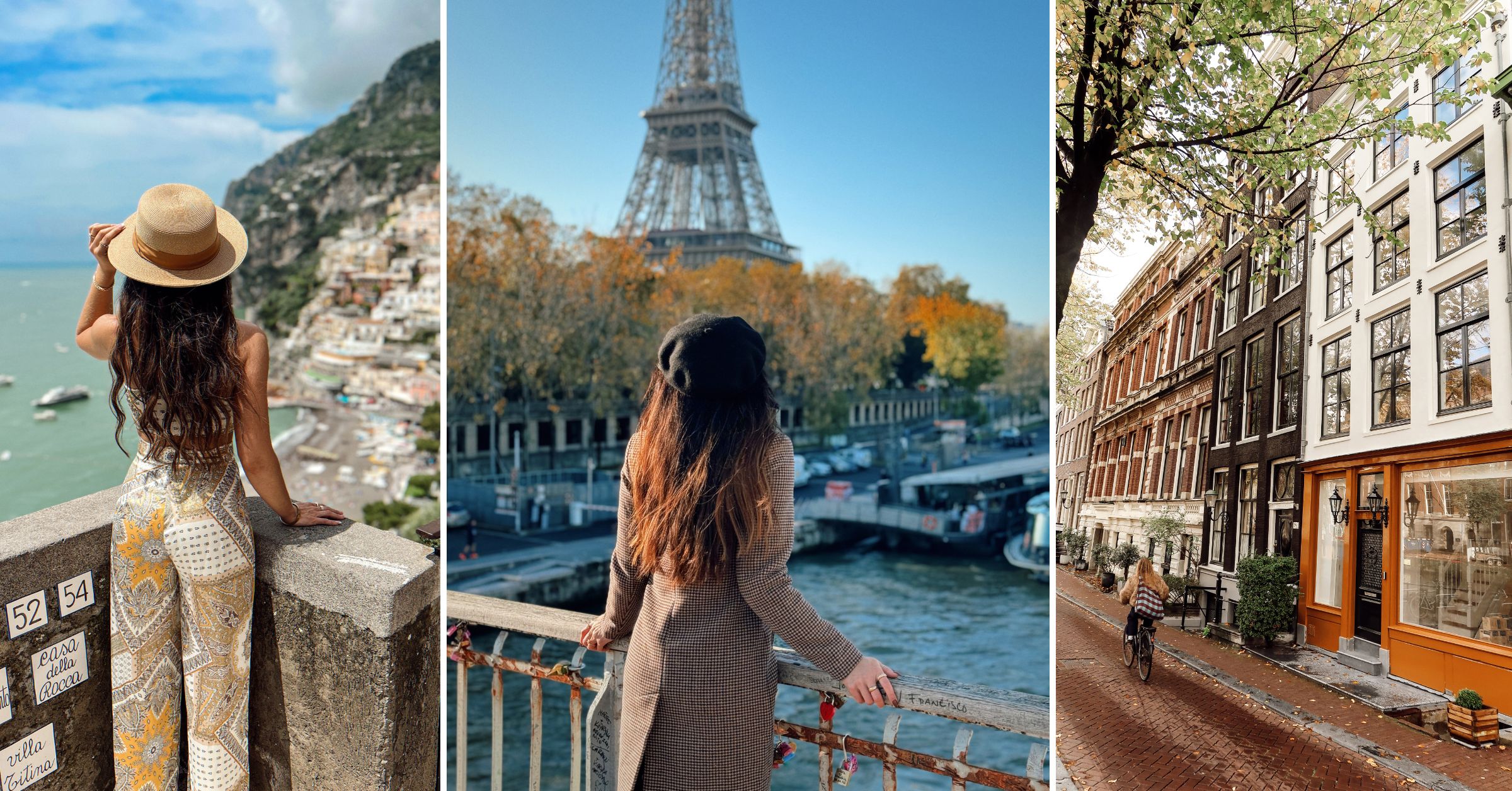
When you scroll through Instagram, it can feel like everyone you know is jetting off on a trip to Europe. They’re sunning on rocky Mediterranean beaches in the summer or wandering Christmas markets in the winter. And it always leads to the same question: how much does it actually cost to travel Europe?
Europe is one of the best places to visit outside the U.S., thanks to its history, architecture, scenery, and mix of cultures. It really is a bucket-list trip. But over the years, travel costs have gone up, and a lot of Americans are starting to feel priced out.
Here’s the good news: visiting Europe on a budget is completely possible. That’s the beauty of the continent—you can splurge or save and still have an amazing trip. To help you plan, I’m breaking down why Europe feels more expensive, what costs to expect, and smart ways to travel without overspending.
How Much Does It Cost to Travel Europe? Full Budget Breakdown
The cost of visiting Europe can vary widely depending on where you go. A week in an expensive country like Switzerland is naturally much different from a week in Hungary. Here’s a more specific example: a 10-day trip to Italy on a mid-range budget could come in around $3,470 per person. However, that same trip in Switzerland could cost $5,000 per person.
But what are you actually spending money on when you get there? That’s exactly what I’m breaking down in this post. This way you can plan realistically, set a budget without surprises, and visit Europe without breaking the bank.
Why Is Europe So Expensive to Travel?
High Demand and Limited Supply
Major cities like Paris, Rome, Barcelona, and Amsterdam are always in high demand. They’re the iconic stops most people picture when planning a trip to Europe. But as more travelers flock to these destinations, prices naturally rise.
Even as some Americans are cutting back on European travel, international visitors continue to climb by about 3% per year. High demand and limited hotel rooms, tours, and experiences mean costs go up. It’s simple economics.
Time of Travel
The time of year you travel makes a huge difference in how much a trip to Europe will cost. Visiting during the shoulder seasons usually means more affordable flights and hotel rates. That’s one of the reasons I planned my trip to Santorini in September instead of summer.
Peak travel months in Europe are June through August, while off-season runs from November to March. For the best balance of good weather and reasonable prices, aim for April to May or September to October.
Exchange Rate
The exchange rate between the U.S. dollar and the Euro is always shifting. However, over the past decade, specifically, the Euro has typically been more valuable, so to speak. Essentially, you’re paying a little more when spending in Euros. It’s smart to keep an eye on the exchange rate so you know what you’re actually spending when you’re traveling in Europe.


Europe Travel Expenses to Plan For
When you start planning a trip to Europe, it helps to set a realistic budget. Here are some of the most common costs you’ll want to factor in.
Flights
Your flight will probably be the most expensive part of your European trip. Depending on where you’re flying from in the U.S., a round-trip economy ticket averages around $1,500 per person. You can definitely score better deals if you’re flexible with your travel dates—and if you avoid peak season.
If this is one of your first trips, make sure to check out my post: “How to Book a Flight for Beginners!” It’s full of helpful tips and valuable information that will make the process stress-free and exciting.
Accommodations
Hotels in Europe are often cheaper than in the U.S., but keep in mind the standards can feel a little different. A mid-range room (think 3- or 4-star hotels) typically runs between 100€ and 250€ per night, depending on the city and season. You’ll find options both below and way above that range, but this gives you a solid baseline for budgeting.
Food & Drinks
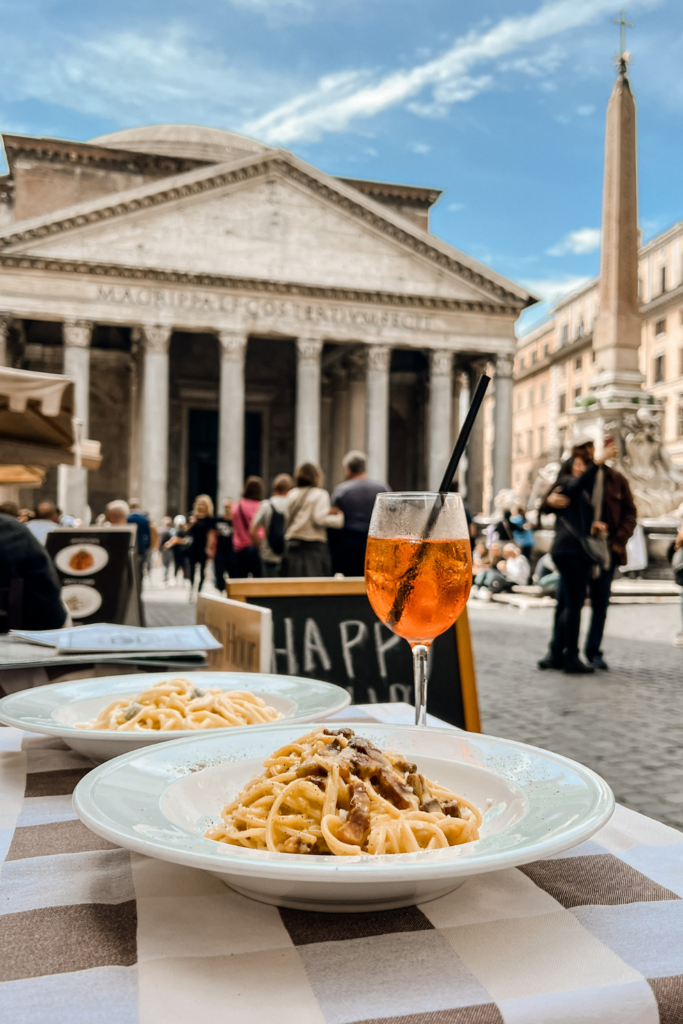
Typically, food costs less in Europe than it does in the U.S. Fortunately, this means you can enjoy amazing meals for a fraction of the price! Expect an average sit-down restaurant meal to run $15-$40 per person, depending on the country and type of restaurant.
Travel Tip: Tipping isn’t expected in most European restaurants, so there’s no need to add a large percentage like you would in the U.S.
Tours
If you’re planning to fill your days with guided tours, make sure to budget for those separately. Prices can range anywhere from 20€ to 300€, depending on the experience. I always recommend booking through GetYourGuide or Viator for solid deals, great tour guides, and free cancellation if your plans change.
Souvenirs
You’ll probably want to pick up a few souvenirs for yourself and the people you love. And if you’re anything like me, those little shops add up fast. I’d budget around $100 for things like magnets, mugs, tote bags, or a cozy sweatshirt to remember your trip.
Transportation
One of the best parts about traveling in Europe is how easy it is to hop between countries in just a few hours. I always recommend looking into a Eurail Pass. You can take trains throughout Europe without paying for tickets separately. A 7-day adult pass costs around $450 and can cover most (if not all) of your transport costs between destinations.
It’s still a bit pricey, but it’s a much more affordable alternative to booking flights all throughout the continent.
Connectivity
The last thing you want on a trip is a phone with no service. Before you leave, plan to activate an international plan (around $12 per day) or download an eSIM, which is way more affordable.
I always recommend going the eSIM route with data you can top up as needed. It’s typically half the cost, and you get much more data to work with while you’re exploring.
Travel Insurance
It might not be the most exciting part of your travel budget, but it matters. Travel insurance can cover flight delays, lost luggage, and unexpected accidents. So, you could say it’s worth considering. For a week in Europe, plan to spend between $50 to $250, depending on the level of coverage you choose.
International Transaction or ATM Fees
If you plan on taking out cash in Europe, be prepared for extra fees. Many ATMs charge a withdrawal fee, and your bank might add its own on top of that. You could also run into international transaction fees whenever you pay in a different currency.
It’s hard to estimate ahead of time. So, check with your bank before you travel to understand their policies and avoid surprise charges.
Tourist Taxes and Local Fees
In some European cities, you’ll need to pay a small tourist tax when you stay overnight. It’s usually around 1€ to 4€ per person, per night, and most places require it in cash.
Don’t be surprised if your hotel or Airbnb host asks for it when you check in. It’s totally normal. If you’re unsure, you can always look it up online to confirm.

How to Budget for a Trip to Europe
Alright, we covered the most common European travel expenses. Now let’s talk about how to actually save money on them!
Choose your travel season wisely.
One of the best tips for saving money on a European trip is to be smart about timing. Travel in the shoulder or off-season, and you’ll score lower prices on flights, hotels, and tours across the board.
That said, I’m sure you’ve heard that booking hotels can be a gamble in pricing. Sometimes, you may find lower prices on empty rooms closer to your travel date. However, you’ll appreciate the options, availability, and better selection when you book in advance.
Pick destinations with balanced costs.
Travel costs can shift a lot depending on where you go. Cities like Paris, London, and Amsterdam are gorgeous, but they’re also pricey. For a budget travel itinerary, consider places like Budapest, Prague, or Lisbon. You’ll still get that full European experience, just without the high price tag on hotels, meals, and attractions.
Be flexible with accommodations.
European cities have tons of accommodation options, and prices can be surprisingly reasonable. You can score a private room in a budget hotel for around $55. Or you can go even cheaper with a hostel. I’ve had friends who stayed in hostels for as little as $20 a night when they cared more about exploring than luxury.
If you stay flexible with where you sleep, you’ll save a lot of money to spend on tours, activities, and unforgettable experiences. Start your search on Booking.com or Hostelworld for the best budget-friendly stays.
Travel cities like a local.
One of my favorite ways to explore a new city is on foot or by public transport. It’s how locals get around, and honestly, if it works for them, it works for me. You’ll see way more than you would from the backseat of a pricey taxi.
Most buses, trams, and metros cost just a couple of euros. Plus, you can get day passes, which make it easy to wander without worrying about the fare.
Balance eating out with DIY meals.
Food can take up a big chunk of your European travel budget. To save money on food, mix in grocery store finds, street food, or cook a meal or two if your accommodation has a kitchen. It’s tempting to eat at cute restaurants every night, but that adds up fast. And honestly? The street food is usually just as good!
Book trains and flights early.
You can save a surprising amount on transportation in Europe just by planning ahead. High-speed train tickets are often up to 50% cheaper when you buy a month or two in advance instead of waiting until the last minute. Early booking means big savings!
Look for free things to do.
You don’t need to spend a ton to enjoy Europe—most cities are full of free things to do. Think: walking tours, historic neighborhoods, scenic overlooks, and beautiful old buildings you can explore on your own. With a little planning, you can fill an entire day with adventure without paying for activities.
Use the proper payment method.
To skip international transaction fees, consider a travel credit card. Most don’t charge extra when you pay in another currency, and you’ll earn points for future trips. If you do decide to take this route, I recommend paying with your card rather than cash whenever you can. Those ATM fees add up fast!
Prioritize paid experiences.
When planning your itinerary, pick a few must-do experiences. It could be a dream restaurant or a bucket-list tour. Prioritize what really matters and budget for those first. Then fill the rest of your days with free walking tours, local exploring, and low-cost fun. You’ll still get the highlights without feeling like you missed out. And your wallet will thank you!


Make the most of your European adventure without blowing your travel budget.
Traveling is one of the most rewarding experiences, but it definitely comes with a price tag. The good news? When you understand the biggest costs and learn how to budget smartly, those dream trips become totally doable.
Now that you know what to expect and how to save, you can finally start planning that European adventure you’ve been dreaming about.
Want more travel inspiration? Check out my posts, “How to Plan a Trip to Europe” and “What to Pack for a Europe Trip.” And come say hi on Instagram @sierrainthecity to follow along on my European travels.