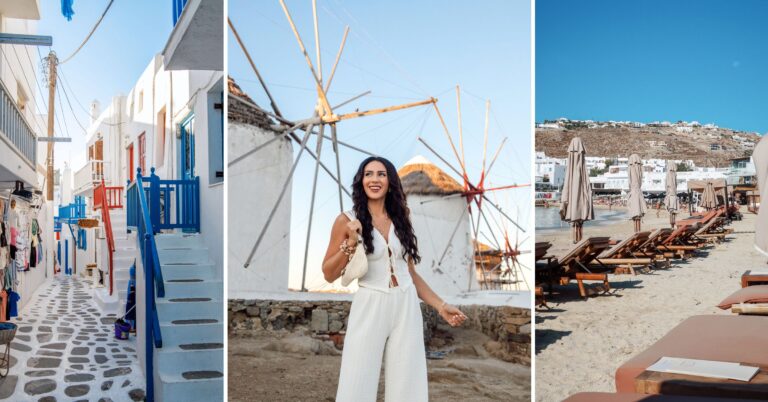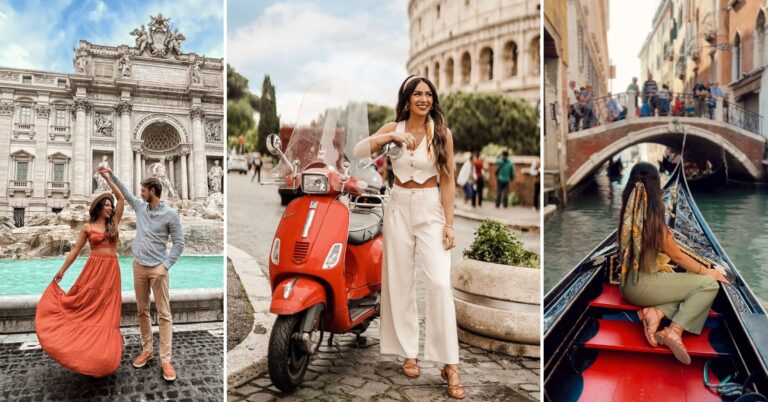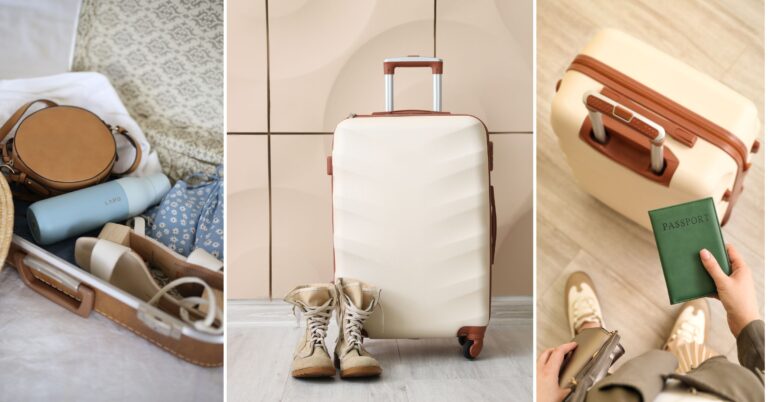


Towering ancient temples. Crystal-clear water lapping against powdery white-sand beaches. White buildings with vibrant, iconic blue roofs. It’s no surprise Greece is one of the most visited countries in Europe. Between the rich history, robust culture, and jaw-dropping views, it’s the kind of place that’s made for slowing down, exploring, and soaking it all in.
And let’s be real, Greece is that destination where your travel wardrobe gets its moment. We’ve all seen those dreamy Instagram photos of flowy dresses, linen sets, and sun-kissed outfits against whitewashed buildings, and when I finally had the chance to visit myself it was just as perfect in real life as it is in the photos. Now it’s your turn to live your best Greece-style while staying comfortable and practical.
To make packing for Greece easy, I’m breaking down exactly what to wear in Greece and how to style your outfits. I’ll also cover how to dress for the intense Greek sun and different destinations around the country. Plus, I’ll share a few outfit rules you’ll want to know before you go.
What to Wear in Greece: Outfit Ideas and Travel Essentials
When you’re planning outfits for a trip to Greece, it helps to know what’s actually worth packing—and what can stay home. My non-negotiables? Breathable fabrics like linen and 100% cotton, light colors that reflect the sun, and comfortable walking shoes. And the one thing people always forget is layers. Evenings in Greece can feel surprisingly cool, especially on the islands when the wind picks up.
After my trip to Santorini, I knew I had to share exactly what to wear in Greece. This way, you’ll feel prepared for every kind of day. From climbing the rocky paths up to the Acropolis to spending long afternoons at chic beach clubs in Mykonos, I’m breaking it all down.
By the end, you’ll know exactly what to pack for an unforgettable Greece trip. And here’s the best part: you’ll still look effortless, stylish, and totally in place.
What Is the Weather Like in Greece?
Greece has that classic Mediterranean climate we all dream about–long, sunny summers, mild shoulder seasons, and very little rain when it matters most. If you’re traveling in April, May, or October, expect comfortable temps around 65-80F. Summer trips (June through September) are much hotter, with temperatures climbing anywhere from 80-95F.
If you’re visiting Greece during peak season (July and August) staying cool during the day is key. Think lightweight, breathable clothing. But don’t skip layers. Evenings can get chilly, especially on islands. A light jacket or sweater is an absolute must.
What Do Locals Wear in Greece?
Europeans are known for their elevated, chic style, and Greece is no exception. You’ll notice locals favoring simple, timeless silhouettes over flashy trends. Think neutral and earthy tones, clean lines, and outfits that feel intentionally put together from head to toe. Shoes, bags, and accessories all seem to effortlessly match.
Best of all, Greek style never feels try-hard. It’s polished but relaxed, stylish without being stiff. It’s that perfect balance that makes you want to immediately start saving outfit inspo to your Pinterest board.
You’ll also spot subtle differences depending on where you are in Greece. Cities like Athens and Thessaloniki lean more tailored and refined, while the islands embrace flowy, laid-back pieces. But once evening hits, fashion steps up everywhere. Dinner is when locals really show out. And it’s all the motivation you need to pack one or two elevated outfits for your trip.
How Tourist Style Differs From Local Style
Okay, let’s talk about the very real (and slightly funny) truth: you can usually spot a tourist in Europe from a mile away. And most of the time, it comes down to outfits. Locals somehow manage to look chic and put together no matter the weather, the errand, or the occasion.
Tourists, on the other hand, tend to lean hard into comfort. And the biggest giveaway? I’m sure you could guess it: it’s the athleisure. Think Lululemon sets, leggings, running shoes, and sport backpacks. Totally practical, yes, but they instantly scream “tourist.”
Now, there’s absolutely nothing wrong with that. Wear what makes you feel good. But if you want to blend in a little more with the local vibe, a few simple swaps go a long way. For example, trade leggings or denim shorts for breezy linen pants. Also, skip the backpack and opt for a structured tote or a crossbody.
And when it fits the moment, throw on a dress and drape a blazer over your shoulders in the evening. Small changes, big differences–and you’ll still be comfortable while looking effortlessly European.


What Colors to Wear in Greece
Picking the right colors for Greece is all about looking good and staying cool. The right palette helps you blend into the scenery, photograph beautifully, and survive those sunny days without melting.
During my trip to Greece, I actually packed a ton of blue because I feel like it just really goes with the aesthetic, and those who know me personally know I typically strictly wear warm tones. When I say strictly, I’m not exaggerating, so it was pretty fun for me to switch things up during this trip.
Here’s a list of my go-to color choices to wear in Greece with an explanation on why they work so well.
- White and Soft Ivory: Reflects heat, keeps you cool, and matches those iconic whitewashed buildings.
- Cream and Ecru: A softer take on white that doesn’t show dust as easily. Perfect for linen sets and breezy dresses.
- Beige, Sand, and Taupe: Earthy neutrals that blend effortlessly with stone streets, beaches, and ruins. Easy to read and mix.
- Light Blue and Sky Blue: Echoes the Aegean Sea and endless blue skies. Very Greek, without trying too hard.
- Navy: Polished but practical. Hides sweat better than black and works day-to-night with minimal effort.
- Sage Green and Olive: Complements olive trees, hillsides, and coastal greenery beautifully.
- Terracotta and Soft Rust: Warm, sun-baked tones that pop against white and blue backdrops.
- Blush, Dusty Rose and Soft Peach: Romantic without being loud. Perfect for sunset dinners or seaside strolls.
- Muted Yellow and Soft Gold: A subtle way to channel Greek sunshine. Best in small doses, like tops or accessories.
Colors I’d skip? Neon or ultra-bright shades that make you stand out in the most touristy way. And while locals do wear black, it tends to feel heavy and way too hot for long summer days under the Greek sun. Trust me, lighter tones will make your trip (and your outfits) so much more enjoyable.
Best Colors for Greece Photos
If you’re anything like me, a trip isn’t complete without a few really good photos. That’s exactly why I plan my outfits around the destination. When your clothes complement the scenery, your photos just hit differently.
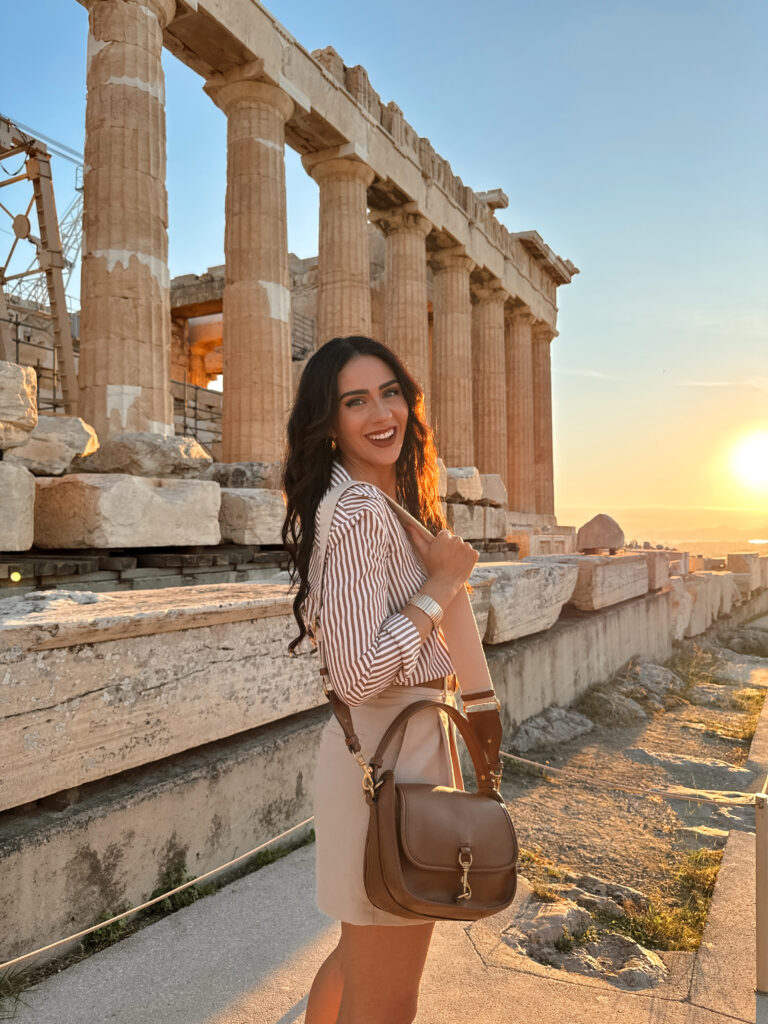
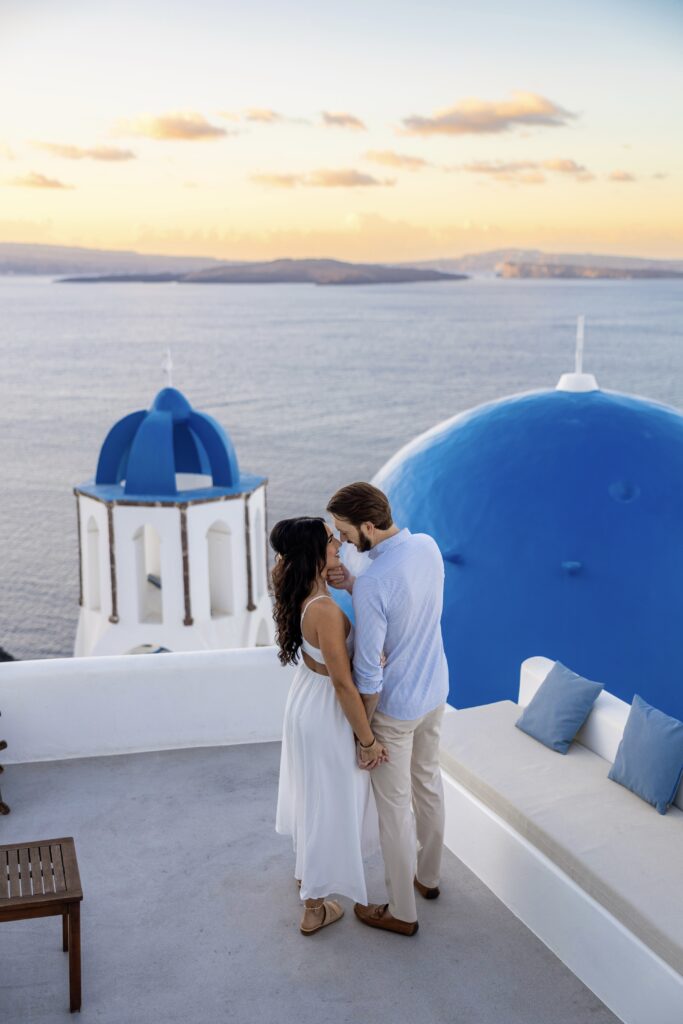
In Santorini, I leaned into crisp whites and shades of blue to match those iconic cliffside buildings. In Athens, I loved how warm neutrals and earthy tones photograph beautifully against marble columns and ancient stone ruins. And if you’re island-hopping to somewhere luxe like Mykonos, metallics, chocolate brown, and navy feel polished, elevated, and perfectly on theme. I wore a ton of chocolate brown and creamy whites in Mykonos.
If your goal is timeless, aesthetic photos, skip super bright colors and bold prints. Instead, think classic silhouettes, soft tones, and elegant simplicity. You’ll stand out in the best way, without looking out of place.
What Do You Wear in Greece?
Greece Outfit Essentials
Before you start styling individual outfits, it helps to zoom out and think about the core pieces you’ll need. This is the backbone of your wardrobe.
Here’s exactly what I recommend packing for Greece:
- Breathable dresses: Effortless, polished, and perfect for the strong sun. These work everywhere—from long walking days in Athens to sunset dinners in Santorini.
- Linen sets: Linen is a must-have fabric for Greece. It’s airy, chic, and easy to wear in different combinations, which means fewer items and more outfits.
- Lightweight pants: They protect you from the sun without overheating and are ideal for breezy islands and cooler evenings.
- Flowy skirts: Comfortable, flattering, and easy to style modestly for churches or monasteries.
- Breathable tops: You’ll want options that help you rotate with sweat and heat. A few easy tops make repeating bottoms feel fresh.
- A modest layer: A linen shirt or a thin scarf is essential for religious sites and a lifesaver when the wind picks up at night.
- Comfortable walking shoes: Greek streets are uneven, steep, and full of stairs. Comfort and grip matter more than anything.
- Dressier sandals: An easy way to elevate your look for dinners and beach clubs without sacrificing comfort.
- Swimsuits: Bring at least two so one can dry while you wear the other for boat or beach days.
- Cover-Up: Makes beach-to-lunch transitions easy and adds sun protection without feeling heavy.
- Sun hat: The sun is intense, especially in the summer months. Sun hats protect your face and instantly upgrade your outfit.
- Sunglasses: Between the sea and white buildings, the glare is real.
- Light sleepwear: Warm nights are common, and air conditioning isn’t everywhere.
Once you know the essentials, building cute, cohesive outfits becomes so much easier. This is how you stay cool, comfortable, and photo-ready without overpacking.
What to Wear in Greece by Location
Athens
For a full day of exploring Athens, I always go for an outfit that feels effortless but intentional. It needs to keep me cool in the heat, look good in photos, and hold up for hours of walking.
Start with a cream or soft white linen midi dress with a relaxed fit. The midi length is key here. It feels polished in historic areas and works perfectly for popping into churches or museums without needing to change.
Layer a lightweight tan or camel linen button-down over the dress. Wear it open or loosely tied at the waist for a little shape. It adds sun protection for your shoulders and doubles as a modest layer when needed.
For shoes, stick with neutral leather walking sandals or minimalist sneakers in white or beige. Athens has uneven stone paths, stairs, and the occasional uphill climb. Comfort is absolutely non-negotiable.
Finish the look with a straw or canvas crossbody (hands-free is a must), oversized sunglasses, and simple gold jewelry. The soft palette of creams, warm neutrals, and subtle metallics photographs beautifully, feels timeless, and lets the backdrop of Athens shine. Plus, you stay cool, comfortable, and chic all day long.
Greek Islands
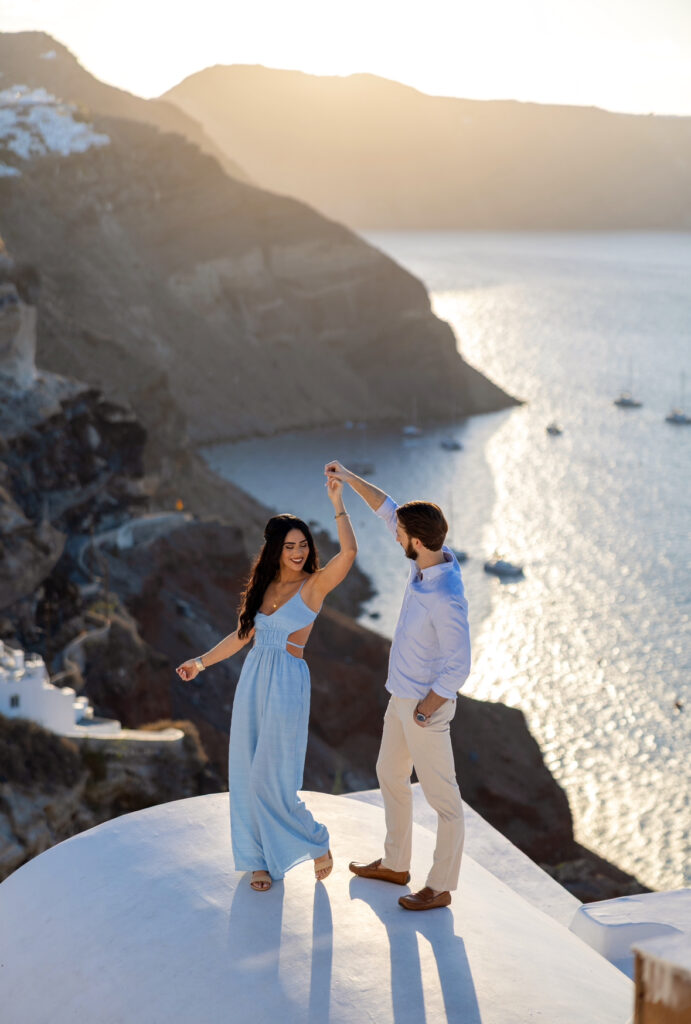
For a day on the Greek islands, think relaxed, sun-soaked elegance–the kind of outfit that feels easy to wear but still looks good in photos.
My go-to starts with a flowy linen set in soft white, sandy beige, or pale blue. The fabric moves with the island breeze, keeps you cool in the heat, and instantly gives you that effortless resort vibe. You’ll want to really lean into loose silhouettes for this destination. Casual enough for wandering harbor towns, but polished enough for a seaside lunch.
Pair it with flat leather sandals in tan or nude. They’re comfortable for cobblestone paths and chic enough for beach clubs and coastal cafes. For accessories, keep things natural and fuss-free. A woven straw tote, chic sunglasses, and shell-inspired jewelry are perfect.
If you’ll be out all day, bring a lightweight linen shirt or gauzy scarf to throw over your shoulders for sun protection or when the breeze picks up. This outfit matches the laid-back pace of island life while still feeling chic and polished.
Beaches
A Greek beach outfit is all about easy glamour. You want something that works for swimming and sunbathing, but also looks cute enough to grab lunch or a drink in.
Start with a swimsuit that can double as a top. A one-piece or high-waisted bikini in white, chocolate brown, muted blue, or olive feels timeless. Clean lines and minimal details are your best friend here. They look elevated and let the scenery shine. In Santorini, I really leaned into the blue theme and carried that into my swimwear as well. In Mykonos, I aimed for creamy neutrals for the beach clubs.
Layer on a lightweight cover-up to make beach-to-lunch transitions effortless. I love a sheer linen button-down, an airy kaftan, or a cotton wrap skirt. It adds sun protection, keeps you cool, and instantly pulls the look together.
Finish with a wide-brim straw hat, oversized sunglasses, and a woven beach bag big enough for sunscreen, a book, and a towel. Add a little personality with simple gold jewelry or shell accents. You’ve got a Greek beach look that’s relaxed, polished, and perfect for long, sun-soaked days by the water.
Here are the best Athens, Greece beaches worth visiting.



Evenings
Evenings in Greece are all about that softly elevated vibe. They tend to be romantic, feminine, and light enough for warm nights that stretch from dinner to late-night drinks.
I always reach for a maxi dress in a sunset-inspired shade like terracotta, soft gold, blush, or classic white. These colors glow at golden hour and look stunning against whitewashed walls and candlelit tavernas. Stick to breathable fabrics like silk blends, viscose, or lightweight linen.
Pair it with strappy sandals or a low block heel in nude or metallic gold. They’re comfortable enough for cobblestones but still feel dressy. Keep accessories simple and intentional: a small woven clutch, delicate jewelry, and statement earrings. Finish with a light layer, like a wrap or soft shawl, for breezy nights.
The result? An outfit that feels effortless and perfectly Greek. It’s perfect for long dinners, seaside strolls, and looking stunning without looking like you tried.
What Not to Wear in Greece
Heavy Fabrics
When it comes to dressing in Greece, fabric choice is one of the most important considerations. Heavy materials like denim, leather, tweed, and polyester trap heat and moisture, which can make the strong sun and warm temps feel even hotter. Lightweight fabrics are your best friend for keeping you comfortable and cool.
Flip-Flops for Sightseeing
As tempting as flip flops are, they’re not made for exploring Greece. With uneven stone streets, endless stairs, and hilly paths, the lack of support and grip can make walking difficult. And after a few hours of sightseeing, you can typically expect sore feet and lots of blisters. Trust me, you want a good pair of supportive shoes for walk-heavy days.
Revealing Clothing in Churches
Many churches in Greece have modest dress guidelines, and wearing something too revealing can get you turned away. Even tank tops are often a no-go. Having your shoulders and knees covered is an easy way to show respect and avoid awkward moments while sightseeing.
Large Backpacks
Large backpacks might seem practical, but in Greece, they can feel bulky and uncomfortable. They’re awkward on narrow streets, crowded ferries, and busy historic sites. Plus, they tend to draw more attention in touristy areas. A small crossbody or compact day bag is way more manageable and secure.
New Shoes
Brand-new shoes are a recipe for blisters, especially with the summer heat, hills, and endless walking on stone streets. Stick to comfortable, well-broken-in shoes so you can actually enjoy exploring instead of thinking about your feet all day.
Cultural Dress Rules You Should Know
When visiting a new country, being mindful of the local culture goes a long way—and yes, that includes how you dress. Respectful travelers are the best travelers. Greece is generally relaxed, but there are a few cultural dress guidelines worth knowing so you can explore confidently.
In many Greek churches, monasteries, and religious sites, modest dressing is non-negotiable. That means you should make sure your shoulders and knees are covered. Tank tops, shorts, and mini-skirts can get you turned away.
For beachwear etiquette, swimsuits are totally fine—but only at the beach and beach clubs. They don’t belong in town. When you’re walking through shops, cafes, or villages away from the shore, throw on a cover-up.
A little planning goes a long way, and dressing with intention and respect helps you experience Greece better.
Shoes to Wear in Greece (and What to Avoid)
Supportive Sneakers for Cobblestones and Ruins
The best shoes for Greece’s cobblestone streets and ancient ruins are supportive walking sandals and well-cushioned sneakers with a solid grip. Between uneven stone, slippery marble, and steep paths, you’ll want stable soles that keep you steady.
I recommend breathable, broken-in shoes when packing for Greece. They’ll keep you comfortable through long days of exploring without slowing you down.
Sandals with Arch Support
Bringing sandals with arch support to Greece is a must for ancient paths and uneven streets. They give you the stability you need while keeping your feet comfortable. The right pair of breathable, supportive sandals hits the sweet spot between practicality and effortless summer style.
Avoid Wearing Heels
Heels are beautiful, but they’re wildly impractical in Greece. They can quickly lead to sore feet, twisted ankles, and more stress than they’re worth. Plus, they take up valuable suitcase space for something you’ll likely wear once or not at all. If you must wear heels to dinner or a nightclub, I recommend sticking to comfortable block heels.


What to Wear in Greece without Overpacking
Create a capsule wardrobe.
One of the best travel skills I’ve learned over the years is how to pack a capsule wardrobe. It saves so much suitcase space and makes getting dressed effortless because everything mixes and matches. Instead of packing “just in case” outfits, you choose a small group of versatile pieces that work together.
If you want a little inspiration, check out my posts “Fall Travel Capsule Wardrobe” and “Capsule Wardrobe for Winter.” They’re not Greece-specific, but they’ll help you understand the strategy behind packing light while still having plenty of outfits.
Use shoes as the main outfit variable.
When packing for Greece, I like to keep my clothing palette simple and repeat outfits. Then I let my shoes change the vibe. One supportive walking shoe, one polished everyday sandal, and one slightly dressier evening option can take the same outfits from sightseeing to dinner. It’s an easy way to look put-together without overpacking or carrying extra weight.
FAQs on What to Wear in Greece
Can you wear shorts in Greece?
Yes, you can wear shorts in Greece, but I would trade out those denim cutoffs for chic linen shorts. If you plan to visit religious sites, make sure you cover your knees with a scarf.
Is Greece conservative in dress?
Greece isn’t generally conservative when it comes to how you dress, especially during those hot and humid summer months. However, when visiting churches, you should cover your shoulders and legs. And in island or beach towns, throw on a cover-up before sitting down at a restaurant or taking a stroll.
What should I wear to the Parthenon?
When visiting the Parthenon, wear sturdy walking shoes, a sun hat, and modest, breathable clothing. To reach this iconic site, you’ll have to walk gravel paths and stairs up the hillside. There also isn’t much shade, so sun protection is a must!
Do I need dressy clothes for dinner in Greece?
Traditionally, Greeks get dressed up for dinner. Now, I’m not saying you need an evening gown or even a cocktail dress. However, you should have an outfit that is slightly more elevated than your daytime clothing.
Stay cool, look great, and enjoy everything that Greece has to offer.
Traveling through Greece means dressing for a mix of experiences: wandering ancient ruins, beach days and boat trips, and long evening strolls through lively cities. But now you know exactly what to wear to stay comfy, look great, and enjoy every moment—without overthinking your outfits.
And if you’re anything like me, packing for a new destination can feel overwhelming. That’s exactly why I write posts like this. I want to take the guesswork out and help you feel more confident before you even zip your suitcase. Need more tips for planning your trip? Read “Is Greece Expensive to Visit?” for a full breakdown of the costs.
If this guide helped, be sure to check out my other posts, “Best Affordable Honeymoon Destinations” and “How to Plan a Trip to Europe.” And don’t forget to come say hi over on Instagram @sierrainthecity to follow along with my latest adventures.